Automatic Generators: The Essential Fix for Uninterrupted Power Supply
Power backup systems provide crucial protection from electricity outages. These systems operate smoothly, starting up immediately when power fails. Powered by different energy types, the generators ensure homes and businesses remain operational when disaster strikes. Nevertheless, grasping their utility and characteristics is essential for making the right conclusion. What elements need consideration before investing in such a system? The subsequent parts examine these crucial elements.
Understanding Standby Generators: Their Operation

Backup generators are critical units which deliver instantaneous reserve energy during power losses. They are typically installed on the exterior of the property, connected to the electrical system and powered by diesel, propane, or natural gas. Should the power fail, the system recognizes the lack of power and starts up instantly. This action utilizes a specialized transfer switch, which separates the building from the main supply and switches the load to the generator
(Portland Standby Generators)The generator then begins to produce electricity, feeding electricity to vital loads or the complete structure, relative to its output. Most standby generators feature an internal tracking mechanism that guarantees proper comprehensive article functioning and servicing. The generators function for prolonged times, providing a reliable power source until utility power is restored. Knowing the operation of these systems helps homeowners appreciate their role in improving power reliability and reducing interruptions during unexpected outages
Why Install an Automatic Generator
Dependability is a major benefit of utilizing this type of generator, as it guarantees an uninterrupted power supply when the power fails. This vital function guarantees that homes and businesses remain operational, securing critical items and preserving convenience. Additionally, backup systems boost security by mitigating grid failures that could lead to hazardous situations, such as pipe damage or critical device shutdowns.
Value for money is a further advantage; while the upfront cost may be substantial, the savings over time from minimizing spoilage, disrupted workflow, and urgent maintenance can be substantial. Furthermore, standby generators boost the home's worth, positioning them as an appealing amenity for future homeowners.
The ease of use is also important, as such systems automatically activate during an outage, removing the necessity for manual intervention. This smooth performance lets people to maintain their daily routines without interruption. Overall, having a backup generator delivers reassurance, ensuring that power is readily accessible when needed most.
Key Features to Look for in a Backup Power System
In the process of picking a standby generator, multiple important characteristics must be evaluated to achieve the best results and appropriateness for individual requirements. To begin with, the power generation capability is essential; buyers must determine the wattage required to run critical equipment during an outage. Additionally, the fuel type—whether NG, propane, or diesel—affects efficiency and running expenses.
A further critical component is the transfer switch, which facilitates seamless power changeover and improves security. Durability and build quality also matter; a well-built system can withstand harsh weather conditions.
Furthermore, the volume of operation must be checked, as quieter models are preferable for home environments. A few units provide auto-start functions, offering ease of use during unforeseen blackouts. Finally, warranty and service options must be examined, providing reliable support and maintenance. When considering these factors, future owners can pick a unit that aligns with their individual power demands efficiently.
Factors to Consider Before Purchase
Before committing to a standby generator, prospective owners should carefully evaluate multiple critical elements to guarantee they make an well-considered conclusion. Portland Standby Generators. Initially, they must assess their power needs by figuring out the necessary capacity to operate critical systems during an outage. Secondly, the power source is important; options include natural gas, propane, or diesel, each possessing specific upsides and access factors
Additionally, customers need to examine the generator's power switch mechanism, which allows for smooth energy changeover. Installation details are also important, because specific units could demand professional installation or permit acquisition
Warranty and service options must be carefully reviewed, as these can greatly impact how satisfied you are in the long run. Lastly, those considering a purchase must check the generator's noise levels, especially if they live in a housing development. By considering these elements, buyers are able to choose the right generator that best meets their particular requirements and desires
Standby Generator Maintenance Guide
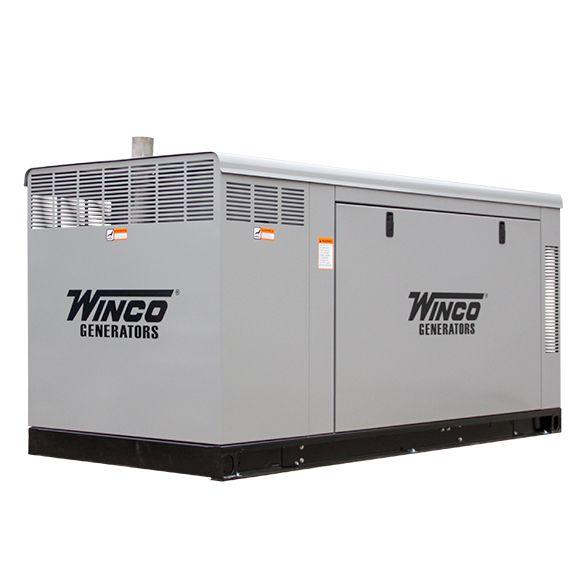
Routine servicing is crucial for guaranteeing peak performance and longevity of a standby generator. Begin by checking the oil level in the unit, and swap out the oil and filter according to the manufacturer's recommendations. Make sure to check the air filter and replace it as necessary to guarantee optimal airflow. It is crucial to check the battery and clean any corrosion on terminals to keep the starting power consistent.
Perform load tests regularly to confirm the generator can handle its maximum load. In addition, check that the exhaust system is free of obstructions and leaks. Maintaining a clean, debris-free generator can prevent the unit from overheating and having other issues.
Lastly, schedule professional maintenance yearly to handle potential issues and perform in-depth inspections. Following these maintenance tips can maximize the longevity of a standby generator, giving you confidence during power outages.
Frequently Asked Questions
What is the Average Cost of Standby Generators?
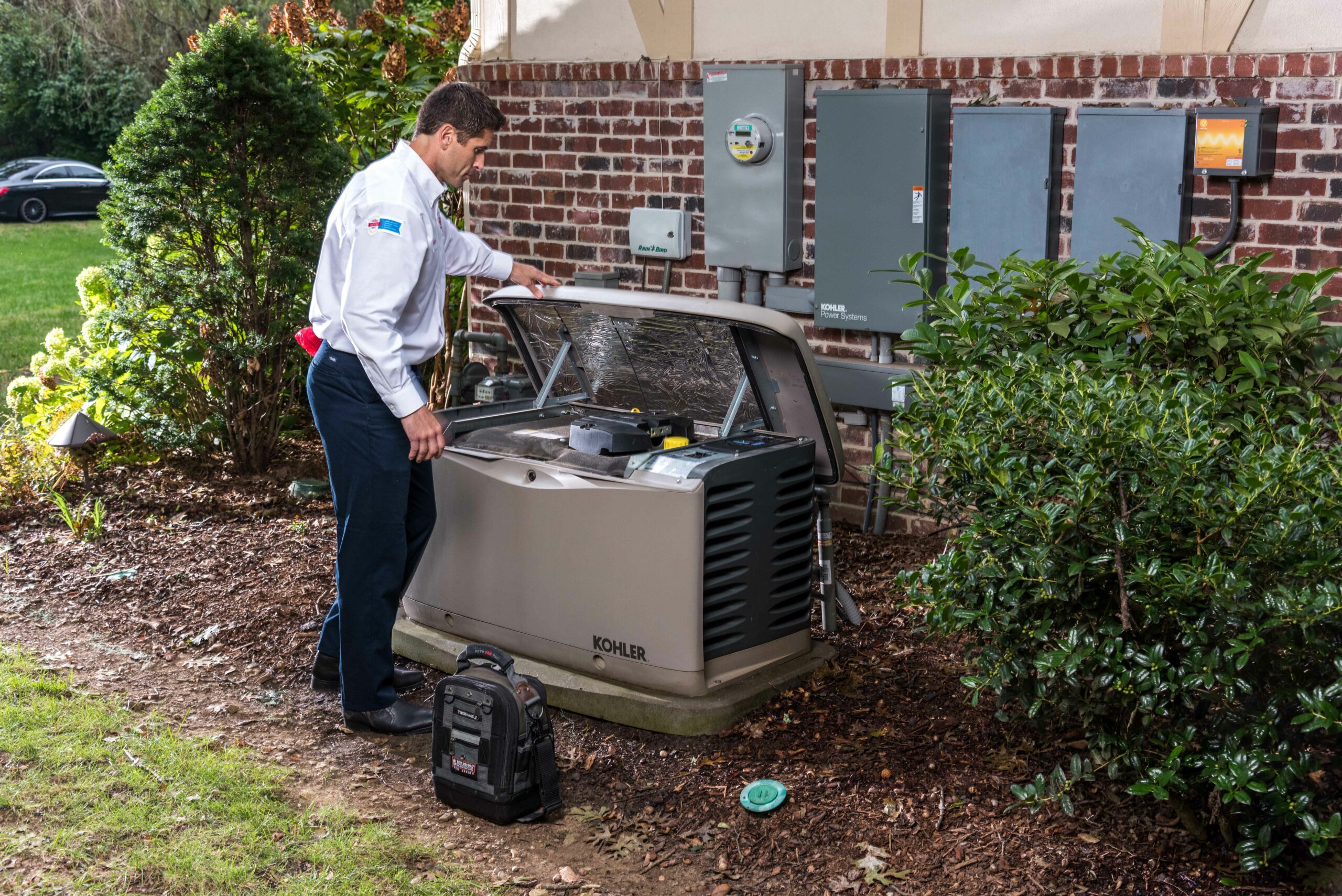
Standby generators typically cost in price from $2,000 to $15,000, based on elements like power output, brand, and installation complexity. Other expenditures might cover permits, fuel tanks, and maintenance, which impacts the overall cost.
Can I Install a Standby Generator Myself?
Installing a standby generator oneself is possible, but it requires knowledge of local regulations and electrical systems. Many recommend getting a contractor to guarantee safety, conformance, and the best operation of the generator installation.
What Fuels Do Standby Generators Use?
Standby generators typically use fuels such as gasoline, propane, natural gas, or diesel. Portland Standby Generators. The selection of energy source is frequently influenced by the cost, availability, and particular power requirements, which impacts the functioning and efficacy of the generator
Do I Need Permits for Installation?
Absolutely, installation permits are usually mandated for the installation of standby generators. Regulations vary by location, so it is essential for homeowners or contractors to consult local authorities to verify conformance with all relevant codes and requirements.
For What Duration Can a Standby Unit Operate Continuously?
A standby generator can run continuously for varying durations, usually between 24 and 48 hours, contingent upon the demands and the fuel source. Regular maintenance guarantees peak performance and longevity during long running times.